 Google
 Facebook
Deconstructive Architecture: Away From Theory of Building Harmony










One of the most famous architectural styles in the 20th century is Deconstruction Architecture, this style was also adopted by seven prominent architects namely Frank Gehry, Zaha Hadid, Re, Koolhaas, Peter Eisenman, Daniel Libeskind, Bernard Tschumi, and Coop Himmelb. Deconstruction architecture according to Mark Wigley, is an architecture that has its strength in opposing the values of harmony, unity, and stability, instead providing a proposed structure with a very different view that shortcomings are part of the structure.
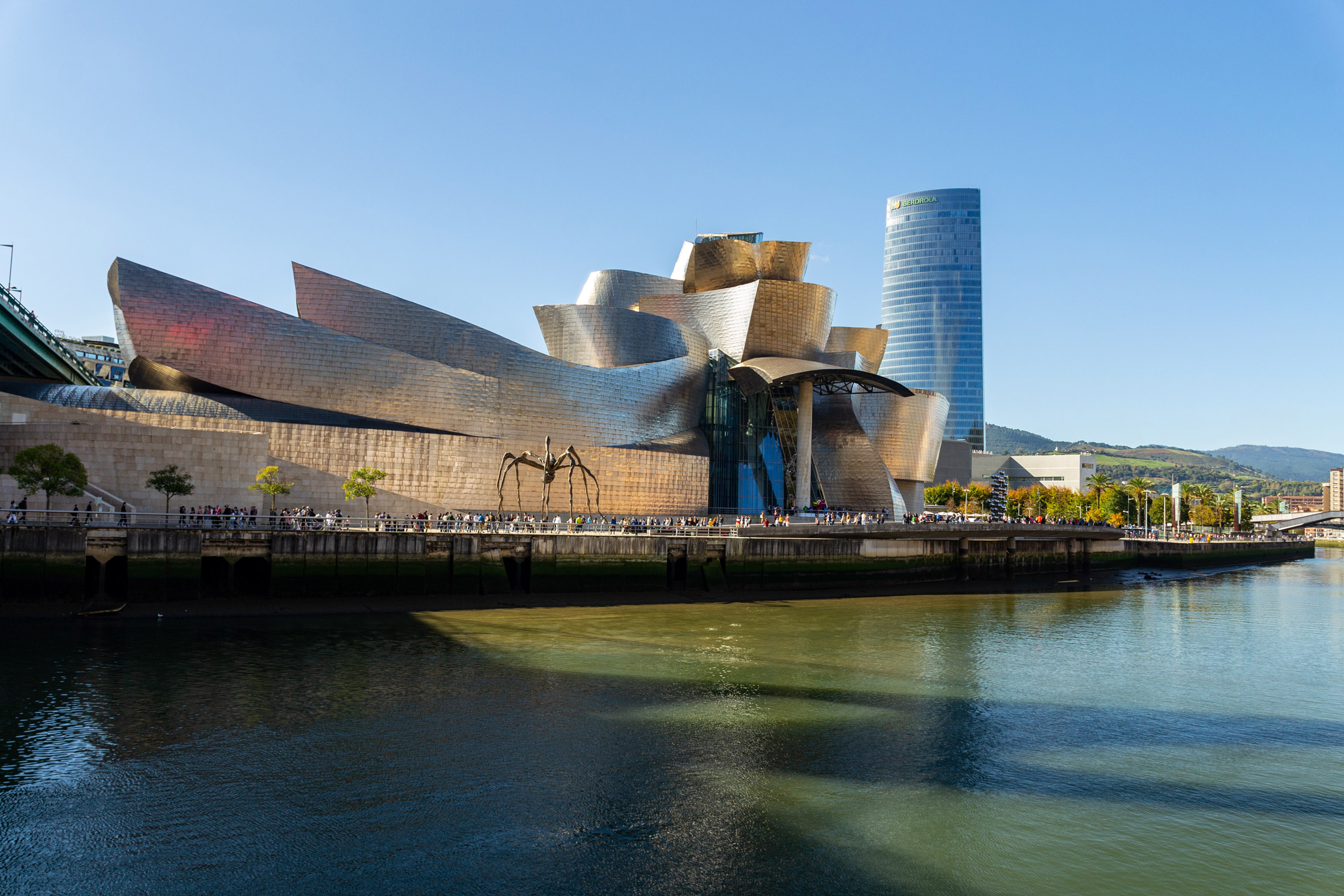
deconstructive building from Guggenheim Bilbao. (Photo by David Vives via Unsplash)
Mark Wigley's ideas pose challenges for all architects, seniors, and novices alike. If seen at a glance at every architectural building that has a deconstructive value, the design of the building has an element of rejecting all existing formal and compositional teachings. The goal is to create a new architectural form that will not only reflect the revolution but will be the driving force in realizing the revolution. Zaha Hadid is an architect who fully adheres to the deconstructivist architecture that is her trademark.
the initial project of deconstructivism was the renovation of the office of Coob Himmelb(I) au. (Photo by Duccio Malagamba)
Museum of Modern Art (MOMA) Exhibition is an exhibition featuring the winners of the competition for The Peak, an upscale club located in the hills of Hong Kong. Featuring paintings that offer a radically new vision of how architecture can be understood. Paintings produced to represent deconstructivism have confusing angles, eye gaze directions that can trigger vertigo, and structures that are independent of topography.
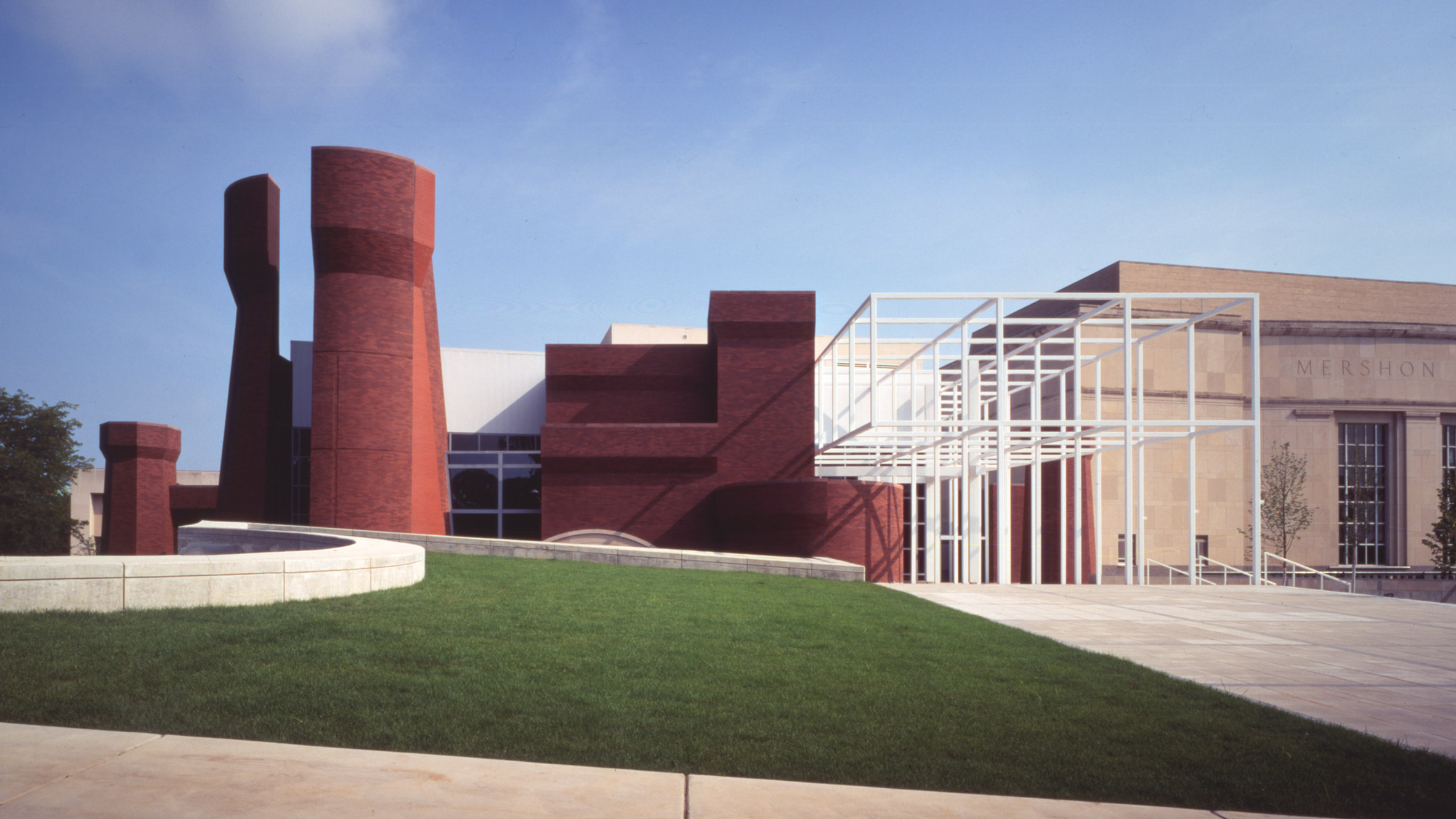
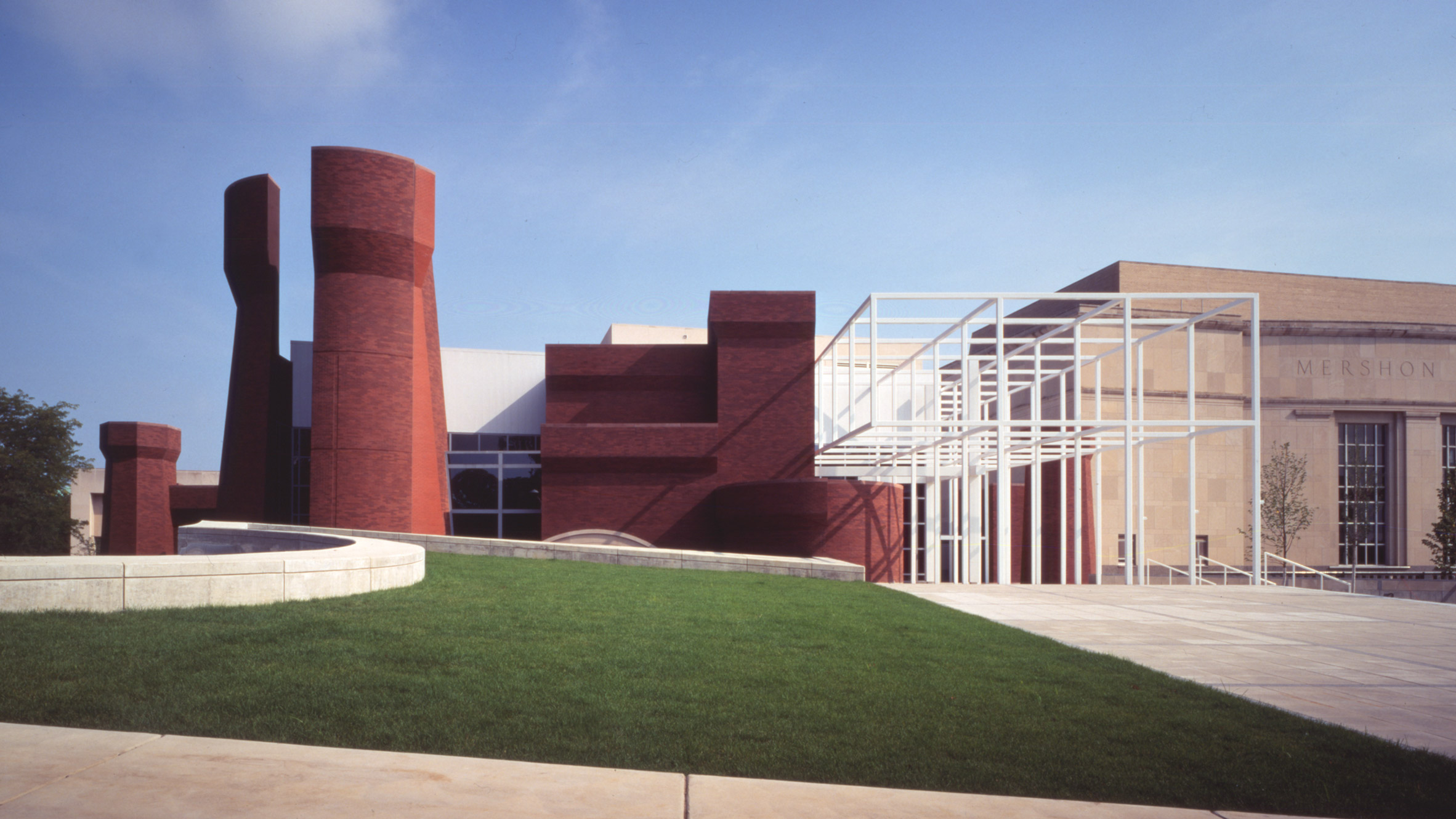
Wexner Art Center was designed by Peter Eisenman. (Photo by Eisenman Architects)
Deconstruction design provides knowledge about the arrangement of space and the resulting mass, with characters that cross each other and are connected in a way that is beyond human formal thinking about the arrangement of buildings, in general, to make it look more unified. One example is the work of Coop Himmelb(I)au, renovation of the roof of a house in the City of Vienna. A structure that emerges from the roof, with a jagged structure. The design strongly illustrates that the design of deconstructivism has infected the form that houses it.
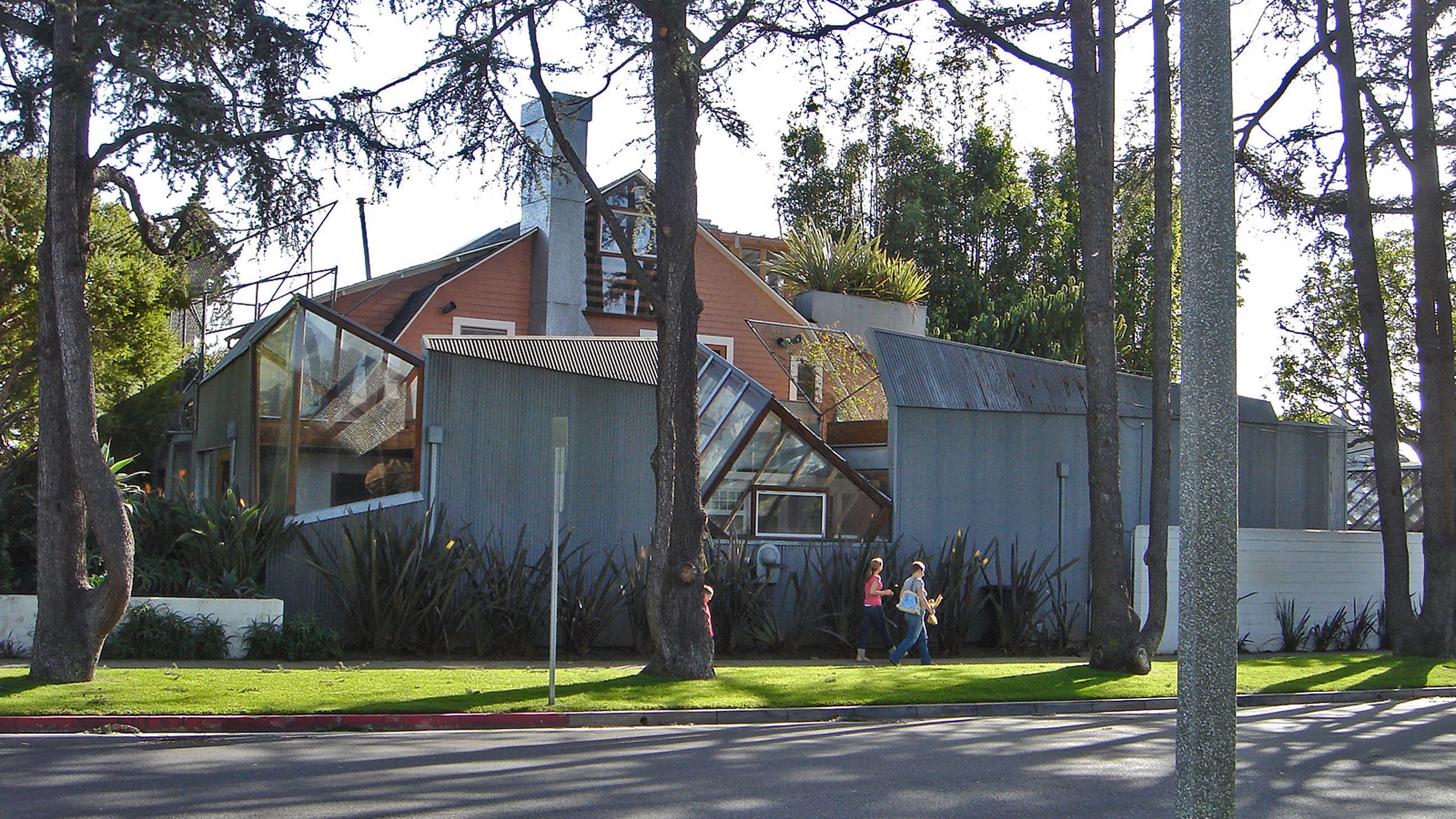
Frank Gehry's Santa Monica house. (Photo by IK's World Trip)
Architectural design in general has a unified design principle and is formal in applying the theory that has been learned. But deconstructive architects have more design value without adhering to that theory. Trying to explore deconstructive architecture so as to produce unexpected and interesting designs according to their functions.
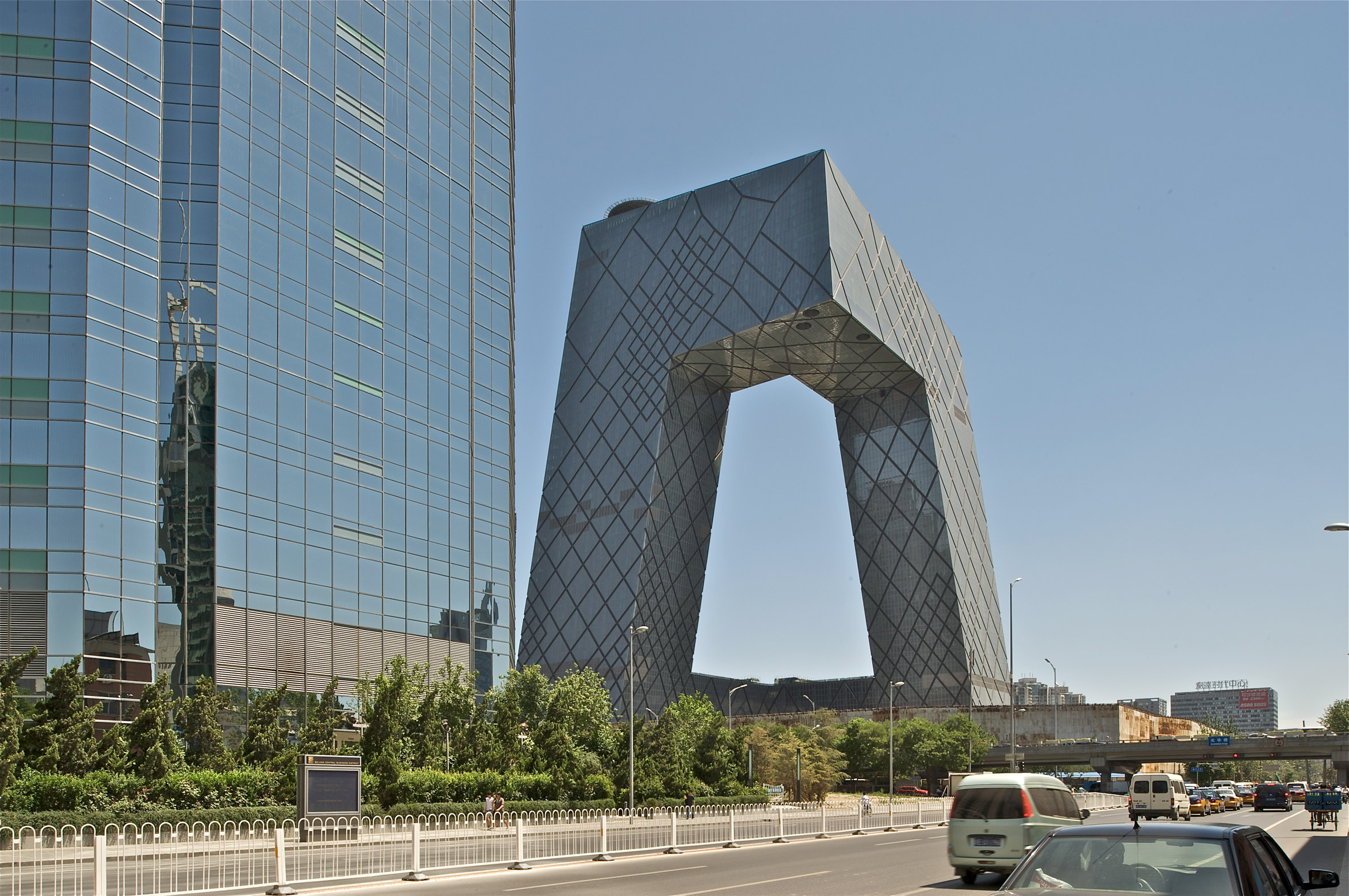
CCTV building in Beijing. (Photo by Philippe Ruault)












Authentication required
You must log in to post a comment.
Log in