 Google
 Facebook
The Effect of Modern Development on Urban Planning in Mexico









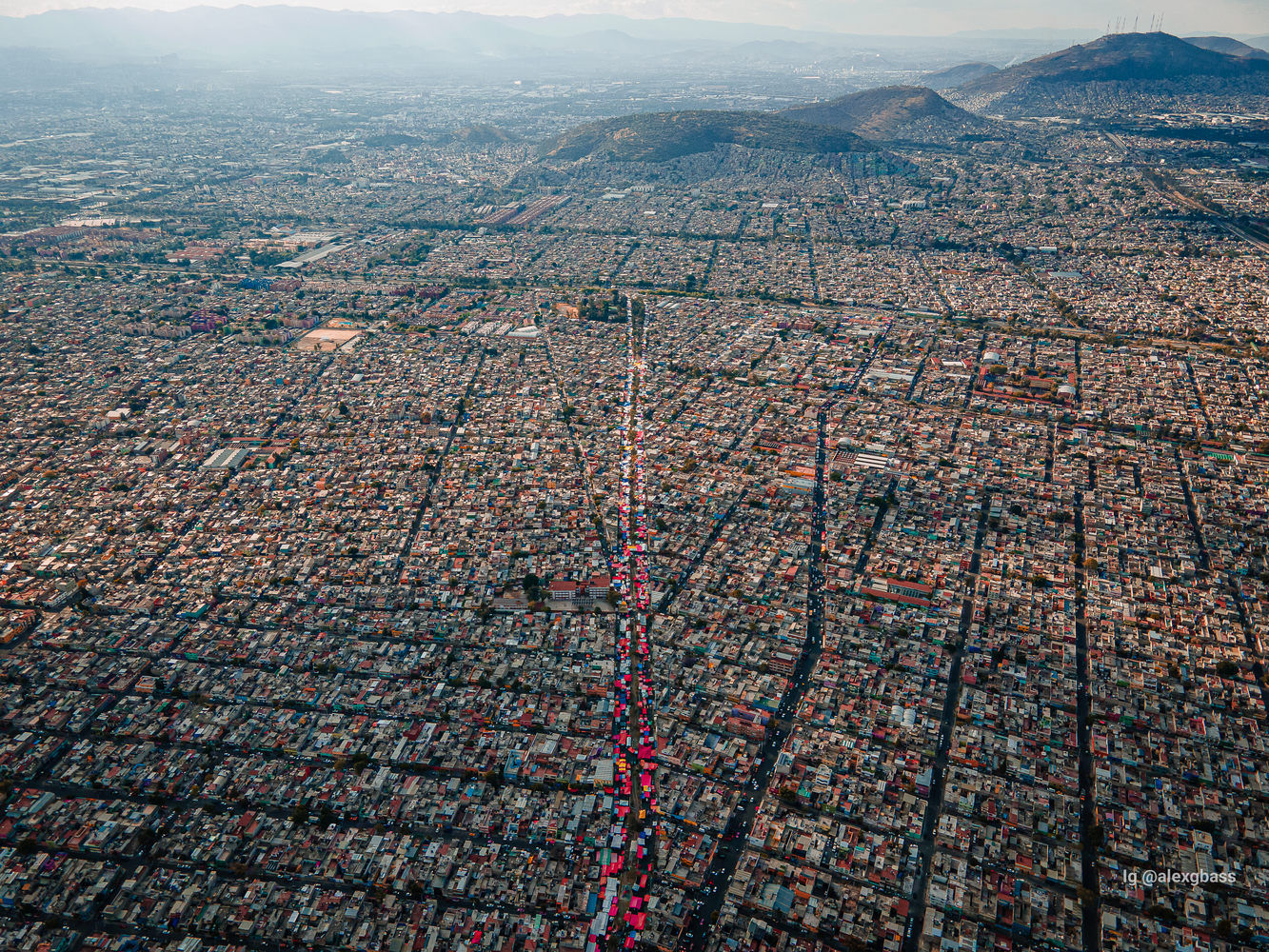
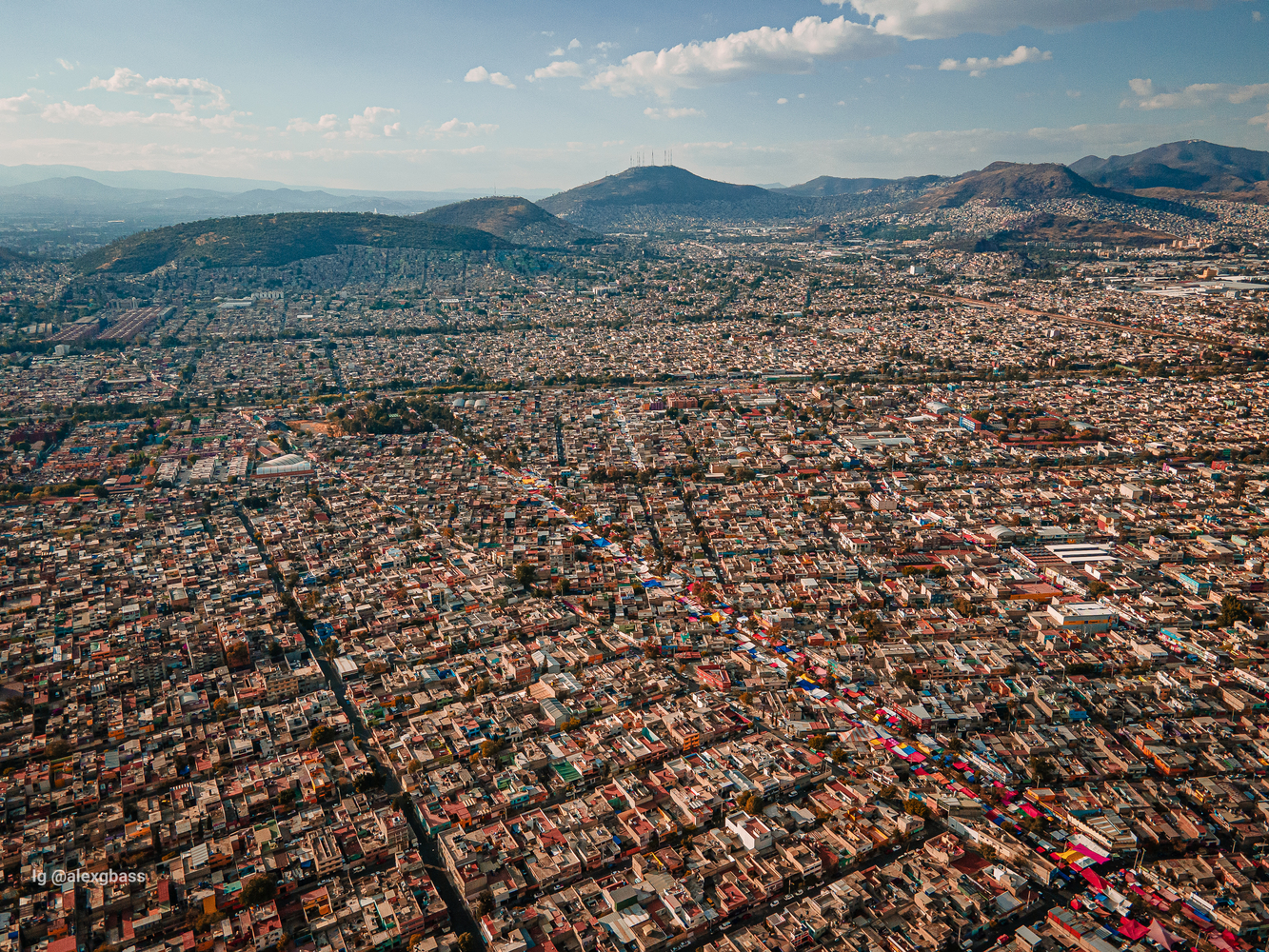
The Valley of Mexico Metropolitan Zone (ZMVM) has had a dynamic and sustainable population for more than 4.000 years. There is archeological and anthropological evidence that suggests a complex society existed on the shores of the lake basin.
View of the dense urban layout. (Image courtesy of Alex Gonzales)
They formed a complex economic and social system, intertwined with the lake ecosystem in a place on the water's edge at the time of colonization. The effect of the colonial regime on them was the time of colonization. The effect of the colonial regime for them was the decline of regional ecology to privilege the central government as a result of political power so that at that time they considered that they were able to absorb and devour all regions and natural resources for their interests. Since then, the outskirt area adjacent to the lake has become an exploitation area to meet the needs of the city center, namely the capital city.
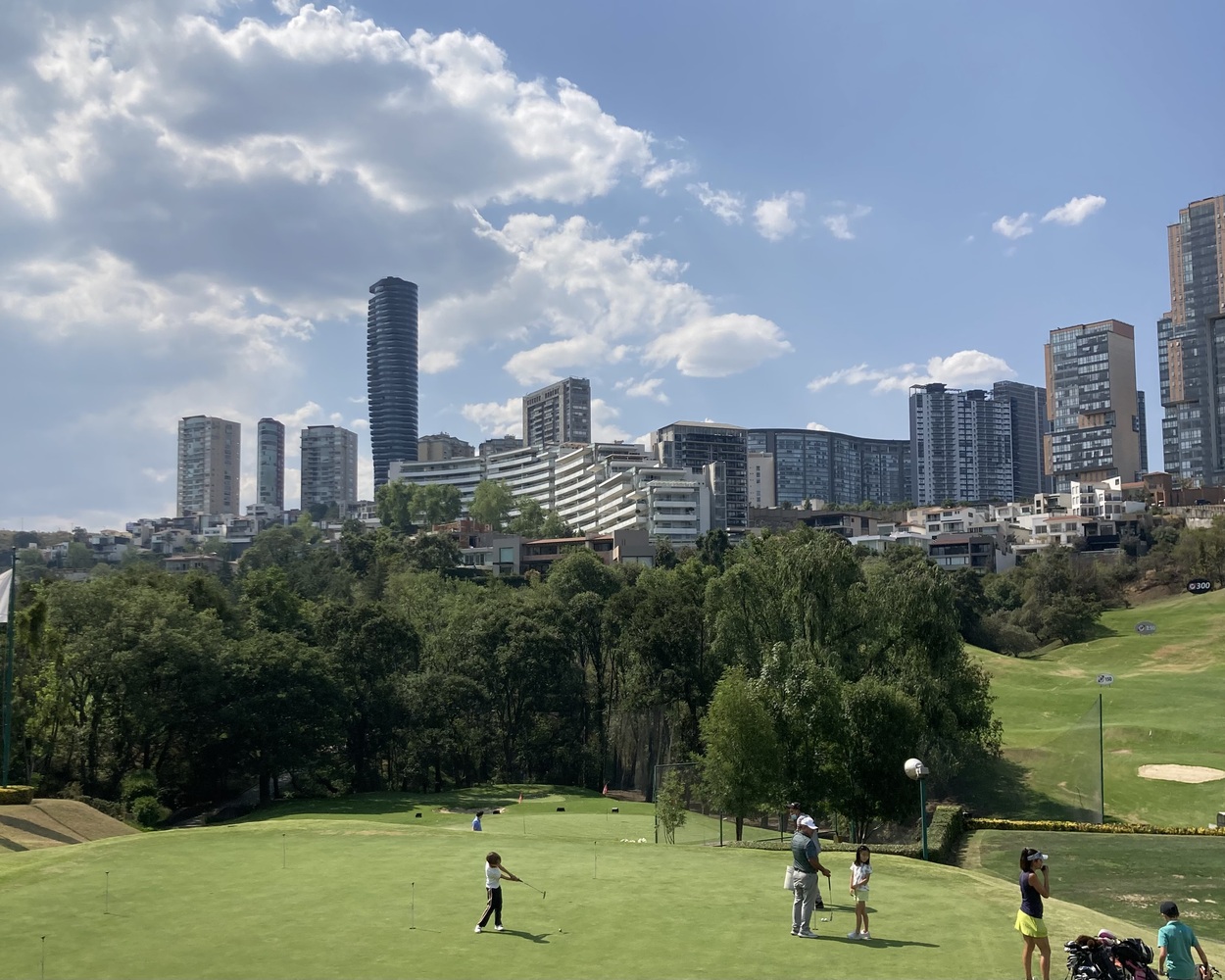
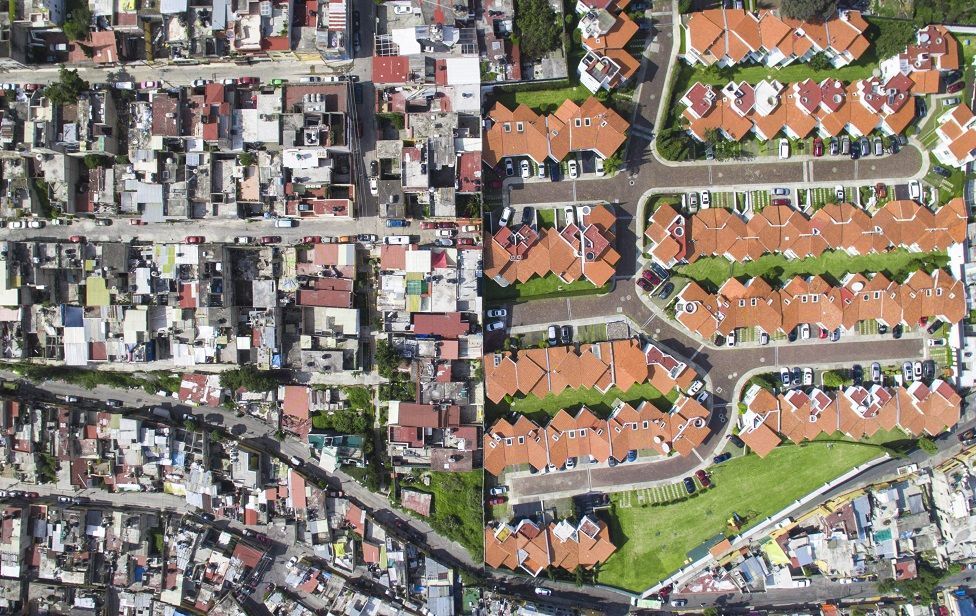
Area for the exclusive community. (Image courtesy of Monica Arellano)
Modern residential area. (Image courtesy of Jorge Taboada)
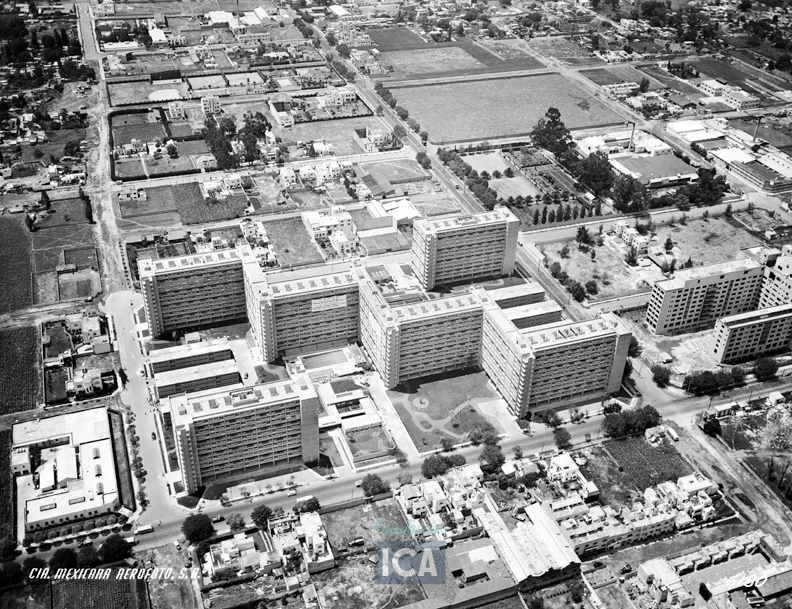
After centuries of doing many jobs, one of which is draining the lake with hydraulic techniques and expensive costs, the lakebed is an opportunity for the development and settlement of real estate and working-class immigration and is believed to boost the Mexican economy. During his six years in office, President Miguel Aleman brought a great influence on industrialization and civic culture to produce urban modernization, not only in the capital city but also throughout Mexico. Modern urban housing emerged with constructions such as the Presidente Aleman Urban Center (CUPA), which was inaugurated in 1949. After that, another development regarding infrastructure emerged, namely the construction of the Miguel Aleman Bridge and the construction of Mexico City International Airport.
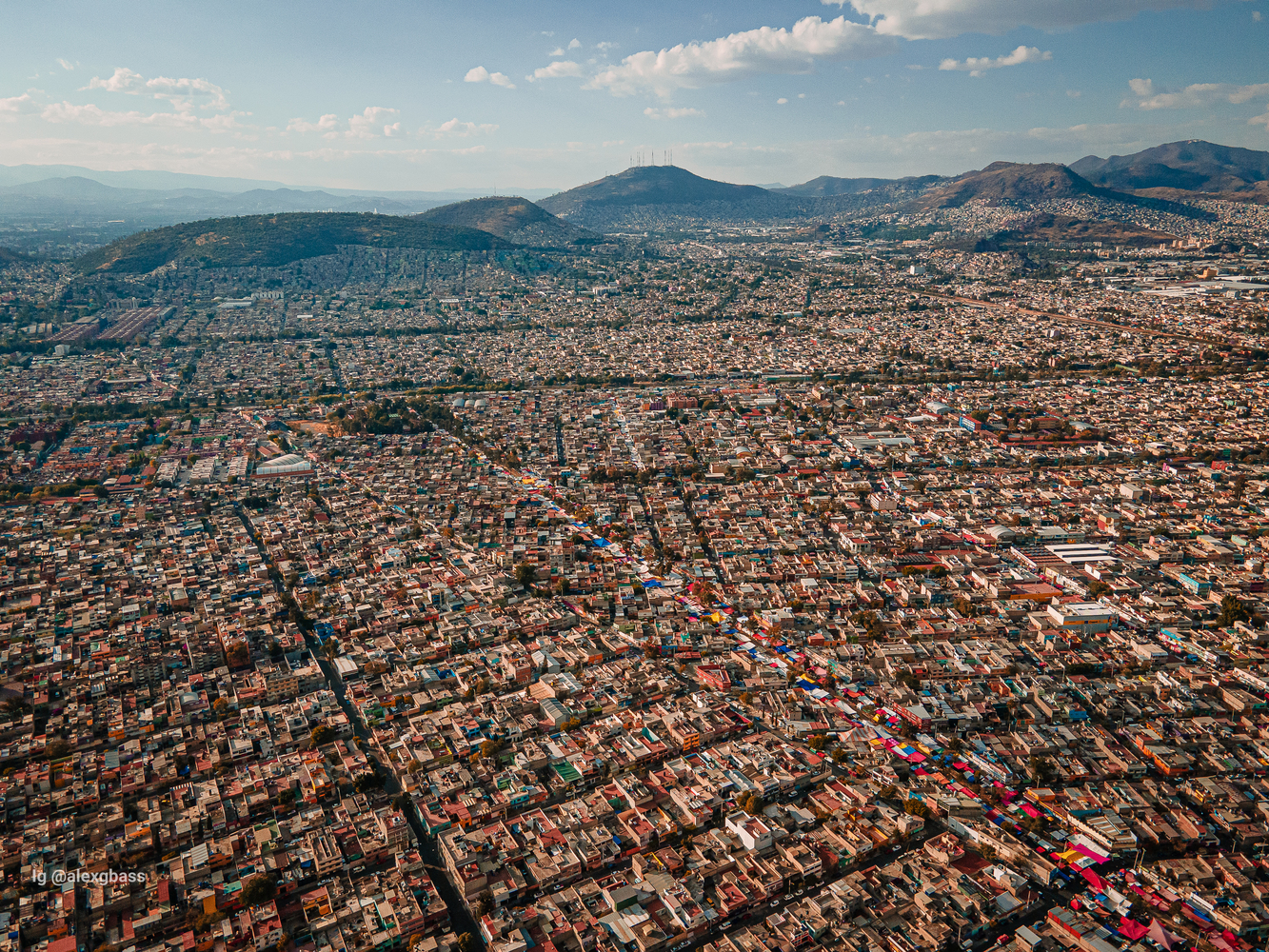
View of the city as a whole from a higher place. (Image courtesy of Alex Gonzales)
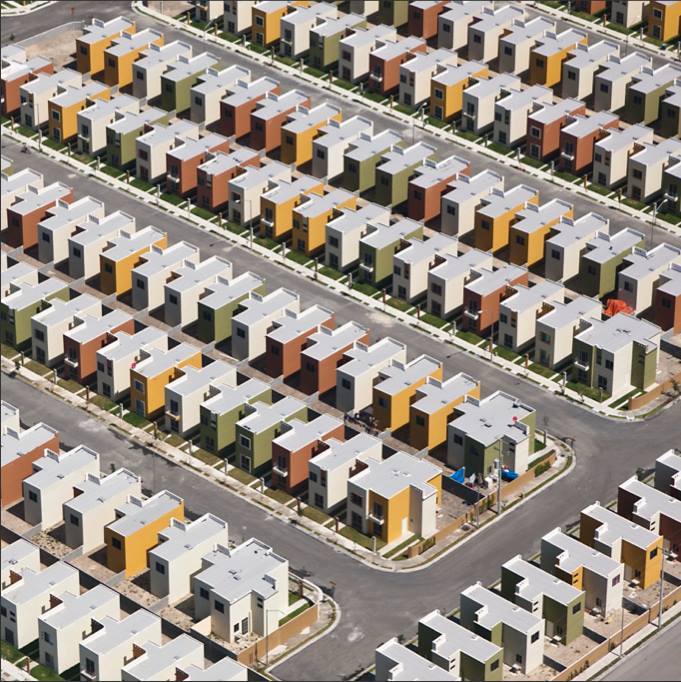
The modern population and the aboriginal people are in stark contrast. (Image courtesy of Johny Miller)
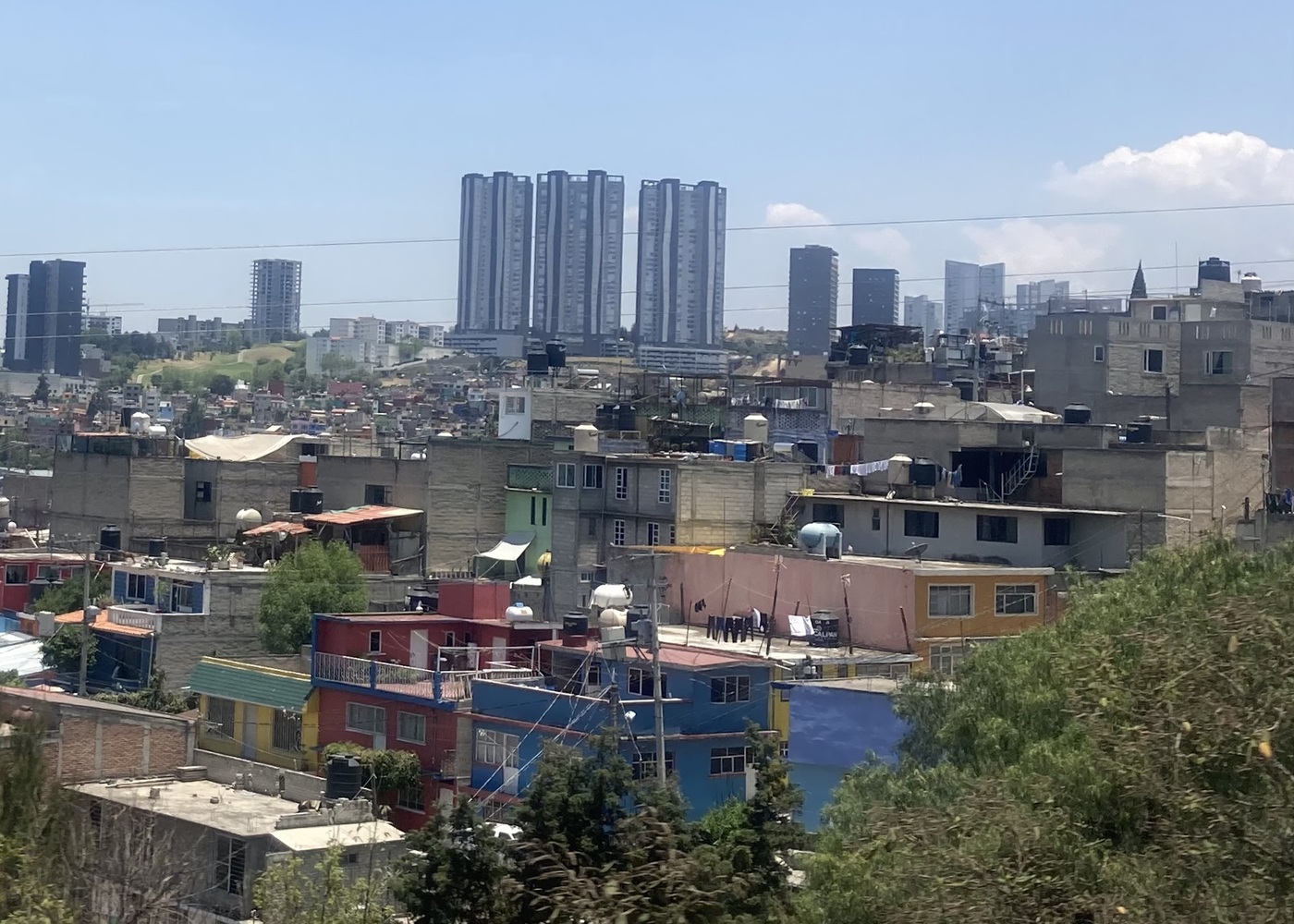
Suburban areas are currently being formed to fill the void of the city without any prior urban planning. Construction of buildings with modern concepts on a large scale to advance the city, but in the end, many developers participated, thereby pressing rural areas and conservation areas to become part of urban infrastructure, and closing the gap between cities and suburbs. At the end of the 20th century and the beginning of the 21st century, there was a community of modern society as a result of very rapid modern changes, they made an area so private that it became a foreign place and demanded exclusivity and cultural differences. This exclusivity is only accessible via private cars and respectable clients such as golf courses, equestrian clubs, and tennis. The effect is that the dwellings are in stark contrast to the original building forms of the area, as in Johnny Miller’s aerial photography which reveals that with a lot of money people can do whatever they want.
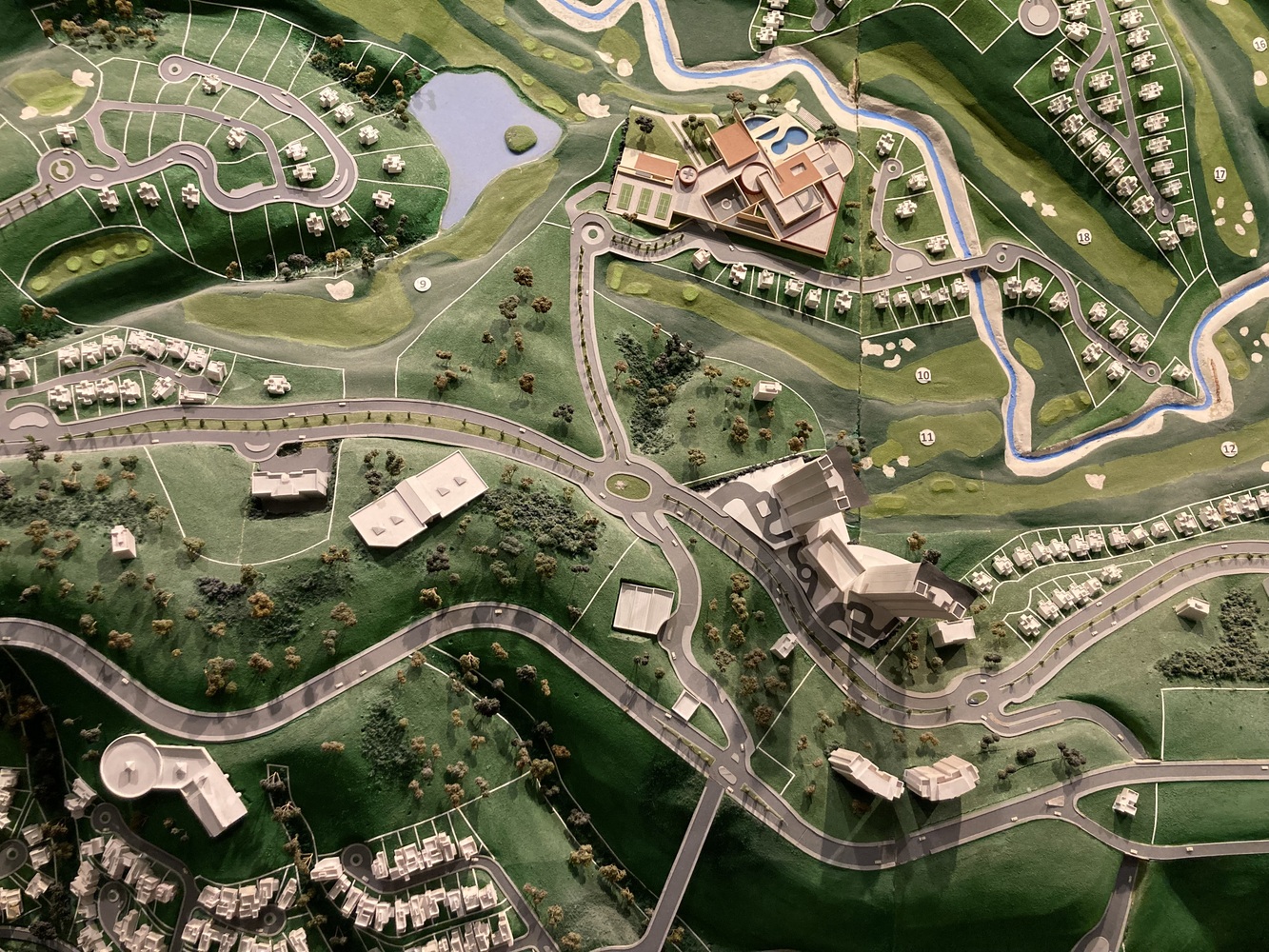
The residential area under construction shows its exclusivity. (Image courtesy of Monica Arellano)
Another example is Bosque Real, a complex under construction consisting of 900 new residences and will be a walled city north of Huixquilucan, in the Mexican highlands. The area promises complete facilities and better air quality than the watershed area.
Mexico City planning is like a clean sheet of paper piled on top of an old sheet of paper in the name of “development” towards the modern. The development that occurs will be in contrast and not in tune with the surrounding context if there is a lack of urban planning regarding residential development, public facilities, and city planning rules. Social inequality will be very visible from poor planning.
The shape of the building is very different between the original community buildings and the buildings of modern influence. (Image courtesy of Monica Arellano)
Presidente Alemán Urban Center (CUPA). (Image courtesy of Archivo Fundacion ICA)
References:
The Aestheticisation of Inequality: Contrasting Landscapes on the Periphery of Mexico City









Authentication required
You must log in to post a comment.
Log in