 Google
 Facebook
World Heritage Historic Site Damaged by Turkey Earthquake









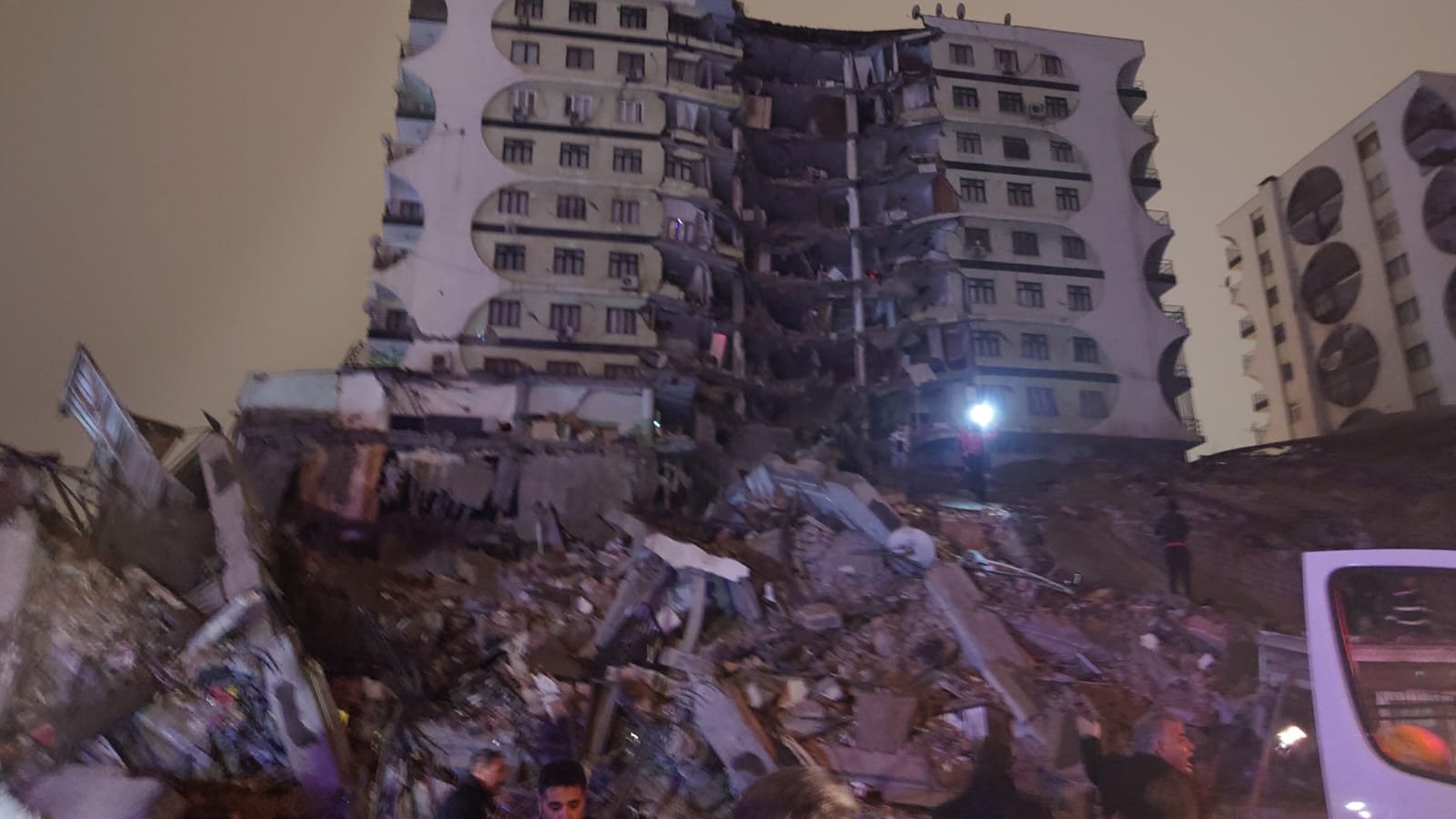
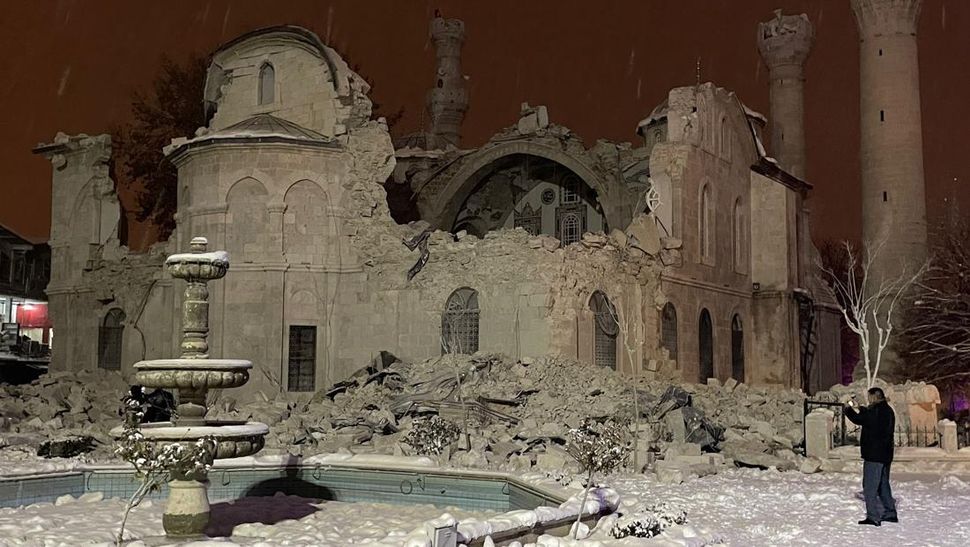
A powerful earthquake of magnitude M 7.8 shook Turkey and Syria in the early hours of Monday morning local time. Within 24 hours of the first quake, there had been 100 aftershocks, including a magnitude 7.5 quake amid search and rescue efforts on Monday afternoon.
buildings destroyed by the earthquake, Source wikimedia Photo by Mahmut Bozarslan
Rescue teams were blocked by the severe weather of the winter blizzard, thus covering the main roads, in addition to the three main airports being unable to operate due to the earthquake, which resulted in the delivery of vital aid and the evacuation process being hampered. As a result, Turkish President Recep Tayyip Erdogan declared a three-month state of disaster emergency, and the state of emergency is in effect in 10 provinces that will be declared part of the earthquake disaster zone, among them Adana, Adiyaman, Diyarbakir, Gaziantep, Hatay, Kahramanmaraş, Kilis, Malatya, Osmaniye and Şanlıurfa.
CNN Indonesia reports that the death toll from the earthquake as of Wednesday (8/2/23) morning has reached at least 7,266 people. Turkish Health Minister Fahrettin Koca said at a news conference on Tuesday that at least 31,777 people were injured in Turkey due to the quake. Meanwhile, the total death toll in Syria reached 1,832.
In addition to casualties, this earthquake also caused damage to buildings and infrastructure in both countries. According to The Conversation, at least 3,450 buildings have collapsed due to the earthquake, according to the Turkish government.
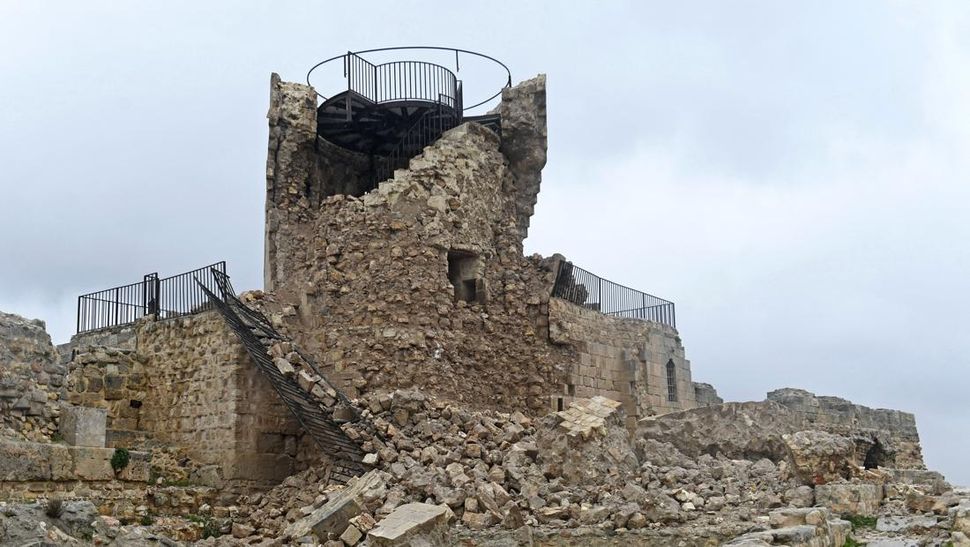
Aleppo, Source CNN Indonesia
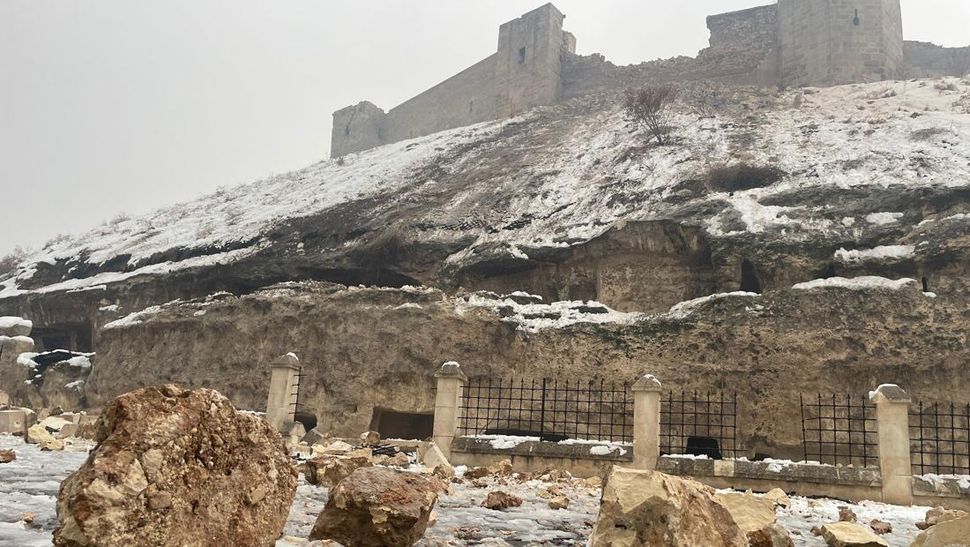
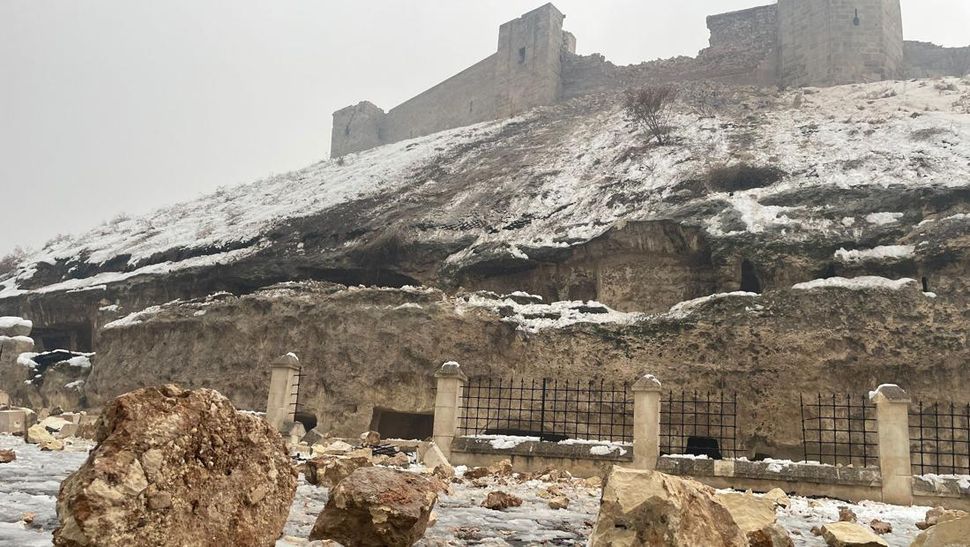
One of the destroyed buildings is Gaziantep Castle, a historical building more than 2,000 years old that became a UNESCO World Heritage site. Built-in the second and third centuries AD in the Roman period and handed over to the Byzantines under Emperor Justinian I, the fortifications were expanded and renovated, and underground galleries were installed to defend against the invaders. Recently, the castle has become the Gaziantep Defence and Heroism Panoramic Museum, attracting many visitors. The damage caused by the earthquake was that several fortifications in the east, south, and southeast parts of the building were destroyed, and the retaining wall also collapsed. In addition, there were large cracks that could result in further damage to the remaining structure.
Gaziantep Castle, Source CNN Indonesia
Quoted from CNN Indonesia, the Directorate General of Antiquities and Museums Syrian (DGAM) reported that there were several other historical sites damaged by this earthquake, such as the Sirvani Mosque built in the 17th century, archaeological sites in Syria, the Aleppo Citadel built in the 13th century, and there are many more buildings and infrastructure in Turkey that collapsed due to this earthquake.
Sites destroyed by the earthquake, Source CNN Indonesia
Many collapsed buildings appear to have been constructed of concrete without adequate seismic reinforcement. Seismic building codes in the region suggest that buildings must withstand strong earthquakes (in which the ground accelerates by 30% to 40% of normal gravity) without experiencing complete collapse. However, earthquakes of magnitude 7.8 and 7.5 appear to have caused shocks in the range of 20 to 50% gravity, some of the buildings failing at shock intensities lower than "Seismic building codes".












Authentication required
You must log in to post a comment.
Log in